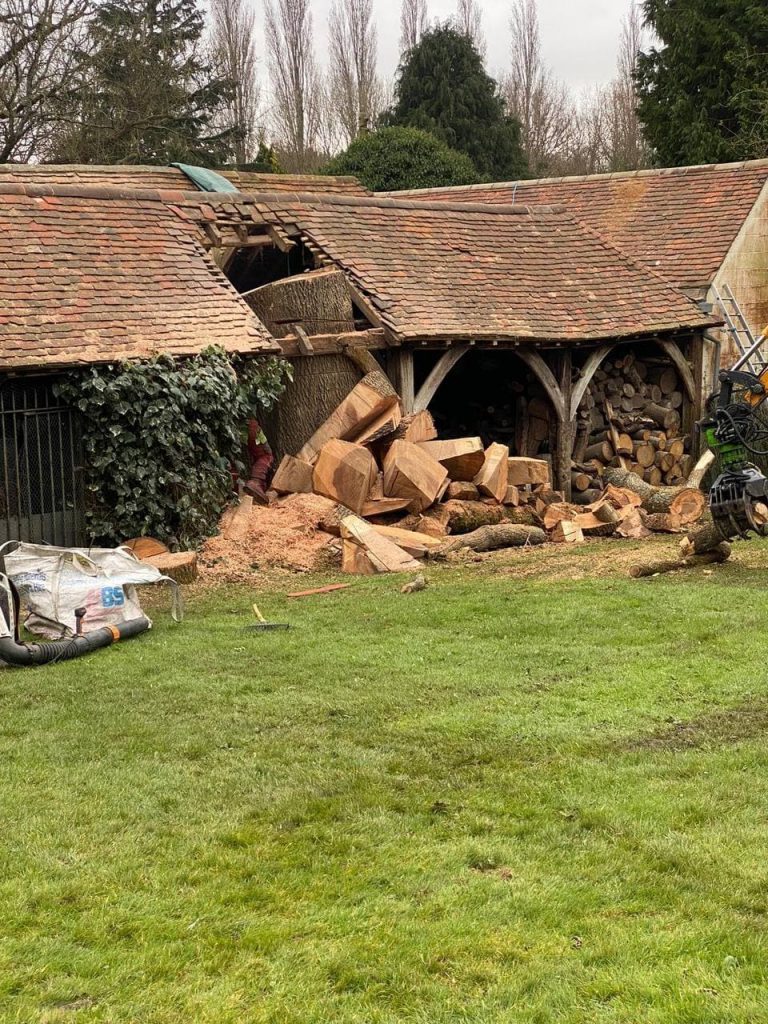
Trees provide shade, improve the appearance of a garden and support local wildlife. However, there are situations where a tree can become unsafe, unhealthy or unsuitable for its surroundings. Knowing when removal may be necessary helps property owners make informed decisions and protect people, buildings and outdoor spaces.
For homeowners in Ashford, Kent, assessing a tree’s condition involves more than looking for obvious damage. Its structural stability, health, location and potential to recover all play a part. Ashford Tree Care can help assess these factors and determine whether tree removal is the most appropriate solution.
What Should You Consider When Deciding Whether to Remove a Tree?
The Tree’s Overall Health
A tree that is struggling to remain healthy may need closer inspection. Signs of declining health include extensive dead branches, sparse foliage during the growing season, unusual discolouration and significant dieback in the crown.
Some trees can recover with suitable care, so poor growth does not automatically mean removal is necessary. The underlying cause must first be identified. If the tree has suffered severe decline and is unlikely to recover, removal may be the most practical option.
Structural Damage and Stability
A tree’s structure is one of the most important factors when assessing whether it presents a safety concern. Large cracks in the trunk, split unions between major branches, a leaning trunk that has recently changed position or exposed roots can indicate potential instability.
Not every leaning tree is dangerous, as some grow at an angle naturally. However, sudden movement, disturbed soil around the base or cracking within the trunk should be taken seriously, particularly if the tree is close to a house, driveway or frequently used garden area.
A professional tree assessment can help establish whether the tree can remain safely in place or whether removal should be considered.
Dead, Diseased or Damaged Branches
Deadwood and damaged branches can become hazardous, especially during periods of strong wind. While individual branches can often be removed through appropriate pruning, widespread damage may indicate a more serious problem.
Disease can also weaken a tree over time. Fungal growth around the base or on the trunk, decaying wood and extensive areas of dead growth may suggest internal deterioration. Although some fungi are harmless to trees, others can affect the wood and compromise structural strength.
Where the damage is limited, targeted tree surgery may be sufficient. If deterioration has affected the tree’s main structure, complete removal may be the safer long-term solution.
The Tree’s Location and Surroundings
A tree’s position can influence the level of risk it presents. A large tree growing close to a property, boundary, access route or area where people regularly gather may require more careful assessment than one in an open part of a garden.
Consideration should also be given to branches extending over roofs, interference with access and the potential consequences if the tree or a major limb were to fall.
The objective is not to remove every tree that grows near a building. In many cases, pruning or crown management can address the concern while allowing the tree to remain. Removal becomes a consideration when the risks cannot be managed adequately through less extensive work.
Root Problems and Ground Movement
Roots help anchor a tree and absorb water and nutrients. Problems may arise when roots are damaged, the surrounding soil becomes unstable or the tree’s root system can no longer provide sufficient support.
Raised paving or damage to garden surfaces may be associated with root growth, but this alone does not mean a tree must be removed. Before deciding on a course of action, it is important to understand the cause of the damage and whether practical alternatives are available.
If root deterioration is affecting stability, a professional assessment can help determine the appropriate response.
Whether the Tree Can Be Safely Managed
Tree removal should not be the automatic response to every problem. Pruning, deadwood removal or crown reduction may address certain concerns without requiring the whole tree to be taken down.
The tree’s species, age, condition and ability to recover should all be considered alongside the extent of the problem. A qualified tree care professional can explain the available options and recommend an approach suited to the individual tree and its surroundings.
Changes in the Tree Over Time
Regular observation can help identify developing problems before they become more serious. Look for changes such as new cracks, a sudden increase in dead branches, fungal growth, lifting soil around the base or a noticeable change in the tree’s lean.
Storm damage can also alter a tree’s condition quickly. If a tree has developed a significant lean, split branches or visible root movement following severe weather, keep people away from the affected area and arrange a professional assessment promptly.
Why Is a Professional Tree Assessment Important?
It can be difficult to judge a tree’s condition from ground level alone. Some structural problems develop inside the trunk or beneath the soil, while symptoms that appear serious may be manageable with the right treatment.
Ashford Tree Care can assess the tree’s health, stability, location and surrounding risks before recommending a suitable course of action. This helps property owners understand whether removal is genuinely necessary or whether tree surgery could resolve the issue.
Conclusion
Whether a tree needs removing depends on several factors, including its health, structural stability, root condition, location and potential to recover. While removal can sometimes be the safest option, other trees can be retained through appropriate maintenance and targeted tree surgery.
If you have concerns about a tree on your property in Ashford, Kent, contact Ashford Tree Care for professional advice. An assessment can help you understand the tree’s condition and decide on the most suitable next step.
Call us on: 01233 542 901
Click here to find out more about Ashford Tree Care
Click here to complete our contact form and see how we can help with your trees needs.